.png)


Aims Digital Twin Dynamics (DTD) is a peer-reviewed, interdisciplinary journal dedicated to advancing the science, engineering, and applications of digital twin technology across industries. Digital twins—virtual replicas of physical systems enabled by real-time monitoring, simulation, and optimization—are transforming fields such as manufacturing, healthcare, smart cities, and aerospace. DTD serves as a platform for cutting-edge research on the development, validation, and deployment of digital twins, with a focus on AI-driven modeling, real-time data integration, and cyber-physical system interoperability.
投稿期刊
数字孪生动力学
投稿前请阅读《投稿须知》
✓
提交成功
您的期刊投稿申请已提交,我们客服将尽快与您联系
期刊介绍
期刊征稿方向
Scopes
The journal covers interdisciplinary research and applications related to digital twin technology, including but not limited to:
Core technology development of digital twins: such as virtual modeling methods, real-time data acquisition and transmission technologies, dynamic simulation algorithms
Validation and optimization of digital twins: involving model accuracy verification, system performance optimization, lifecycle management
AI-driven digital twin modeling: including the application of machine learning and deep learning in twin model construction and predictive analysis
Real-time data integration: cross-platform data fusion, edge computing and cloud collaboration, real-time data stream processing
Interoperability of cyber-physical systems (CPS): seamless interaction between digital twins and physical systems, cross-system data sharing and collaboration mechanisms
Industry-specific applications: practical implementations of digital twins in manufacturing (e.g., smart factories, equipment operation and maintenance), healthcare (e.g., patient virtual twins, personalized treatment simulation), smart cities (e.g., transportation systems, energy management), and aerospace (e.g., aircraft condition monitoring, fault prediction)
编委会
主编
副主编
编委
审稿流程
同行评审是任何学术期刊的主要质量维护措施。在这个过程中,相关领域的专家从各个角度分析学术工作,包括其写作、技术内容的准确性、文献文献以及它对学科的影响和意义。
审稿人在学术出版中起着举足轻重的作用,他们的宝贵意见证明了所考虑文章的质量。同行评审有助于批准研究,建立研究界的评估标准。
首先,在一篇论文提交给期刊后,期刊编辑会筛选稿件,并决定是否将其送交同行评审。只有在通过初步筛选后,稿件才会发送给两名同行评审员。最后,期刊编辑或期刊编委员会考虑同行评审员的报告,并做出接受或拒绝发表手稿的最终决定。通用同行评审流程对此进行了可视化。
常见问题
Q
如何辨别正规期刊和假刊 / 套刊,避免被骗?
A
1. 国家新闻出版署官网可查真实 CN 刊号,且刊号与期刊名称、主办单位一致; 2.知网 / 万方 / 维普等主流数据库正常收录其过往期刊内容,且更新及时; 3.有官方正规投稿渠道(官网在线投稿系统 / 官方指定邮箱),无私人微信 / QQ 直接收稿的情况。 4.假刊 / 套刊特征:无正规 CN 刊号、数据库不收录、私人渠道收稿、承诺快速发表(1 周内录用)、版面费远低于市场价。
Q
作者署名和排序有什么讲究,能否中途修改?
A
署名要求:必须是实际参与论文研究 / 写作的人员,禁止挂名、冒名,核心刊会核查作者贡献度。 作者数量:普刊一般 1-3 人,核心刊可 3-5 人,过多作者会被期刊社质疑贡献度。
Q
论文写作有哪些格式要求,不同期刊是否统一?
A
无全国统一格式,但同期刊有严格的固定格式,核心要求包含:标题(一般 20 字内)、作者信息(姓名 / 单位 / 邮编 / 学历 / 职称)、摘要(中文 200-300 字,核心刊需英文摘要)、关键词(3-8 个)。投稿前必须下载目标期刊的《征稿简则》/《投稿须知》,严格按要求排版,格式错误会直接初审拒稿。
浏览了该期刊的人还看过
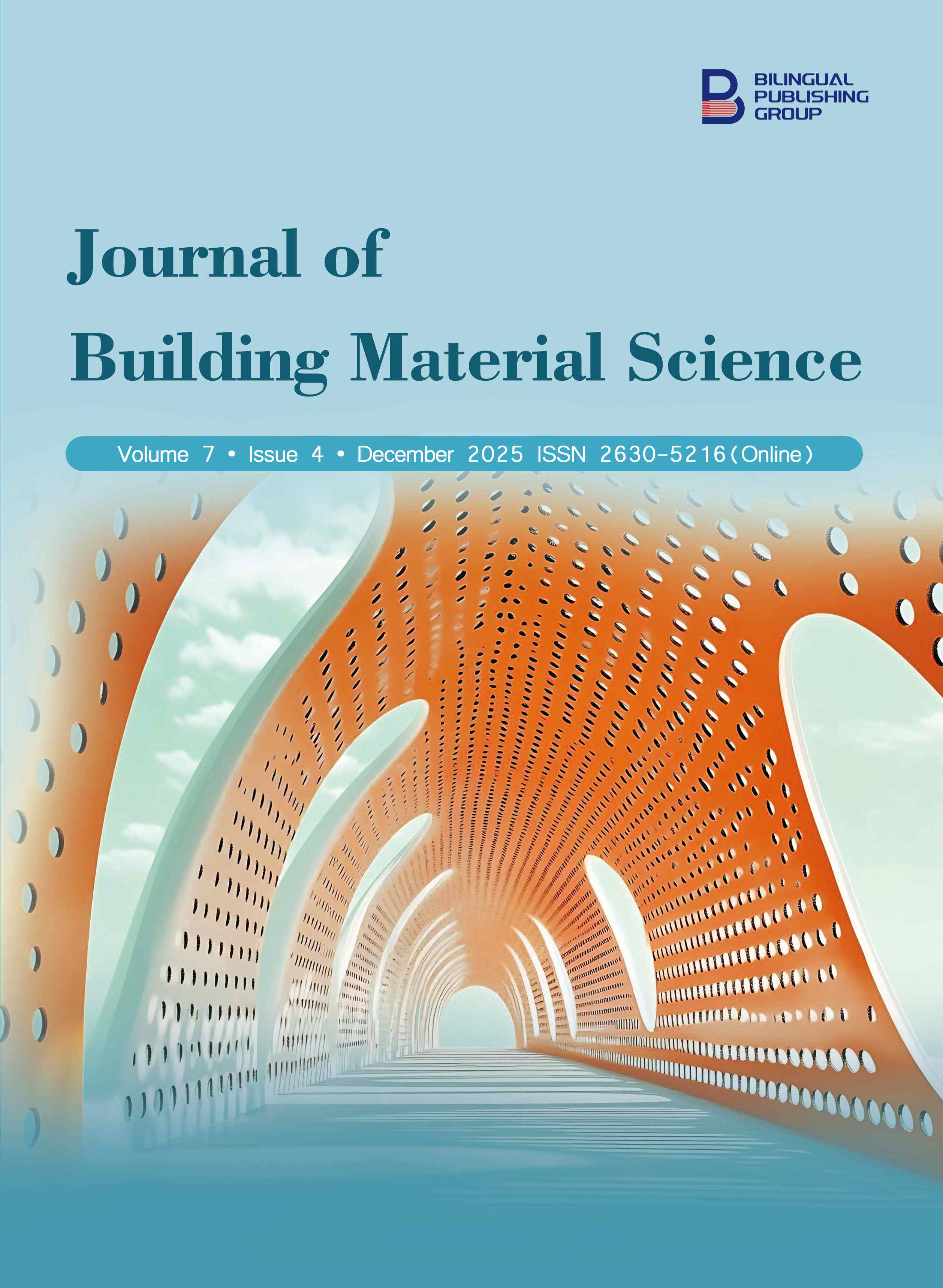

Journal of Building Material Science【Scopus / Google Scholar】
建筑材料科学
出版社
新加坡双语出版社
类别
工程技术
ISSN
2630-5216(O)
Journal of Electronic & Information Systems【Google Scholar】
电子信息系统
出版社
新加坡双语出版社
类别
工程技术
ISSN
2661-3204(O)
Journal of Architectural Environment & Structural Engineering Research【Google Scholar】
建筑环境与结构工程研究
出版社
新加坡双语出版社
类别
工程技术
ISSN
2630-5232(O)
Non-Metallic Material Science【Google Scholar】
非金属材料科学
出版社
新加坡双语出版社
类别
工程技术
ISSN
2661-3301(O)
Organic Polymer Material Research【Google Scholar】
有机高分子材料研究
出版社
新加坡双语出版社
类别
工程技术
ISSN
2661-3875(O)
免责声明
本站仅提供正规合法期刊咨询服务,非期刊官网,不涉及出版事务,无投稿绿色通道,录用结果以出版商通知为准,第三方商标归原权利人所有。